



Proof of Accommodation in Thailand for the DTV
Got a request for DTV proof of accommodation Thailand? Learn exactly what to submit—hotel booking, rental agreement, Blue book or title deed—and avoid rejecti
What the embassy asked
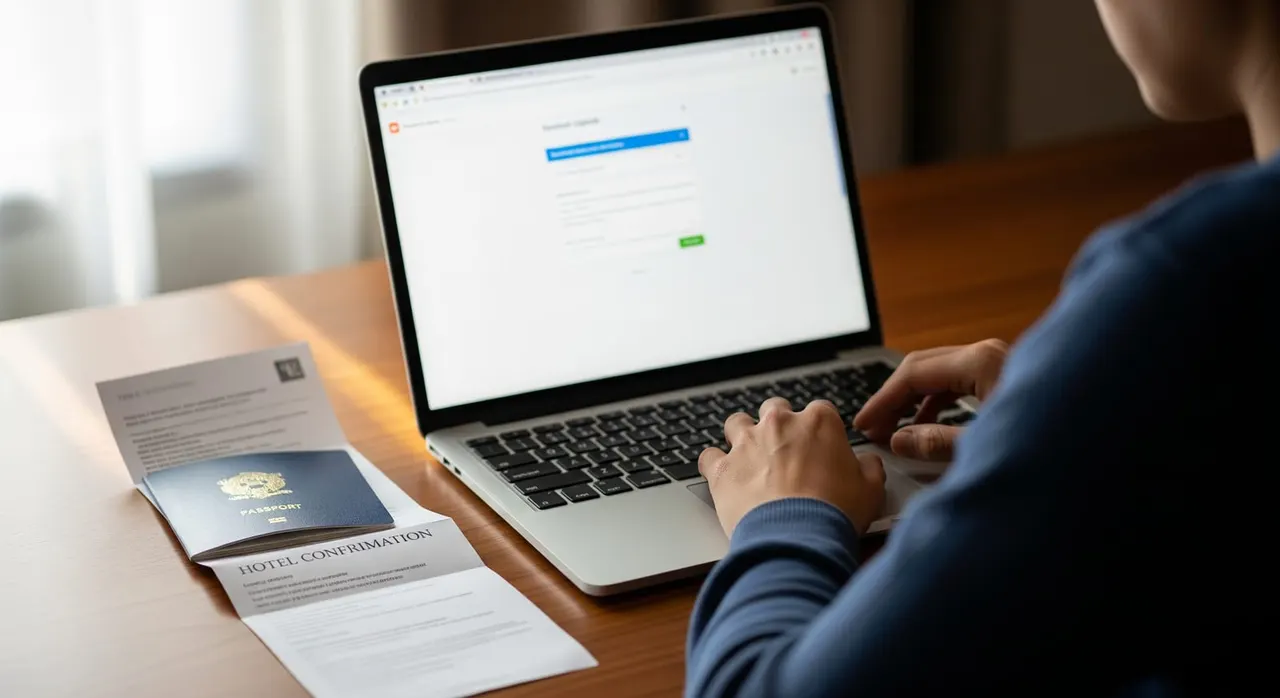
“Accommodation Booking from the hotel, to show guest name, check in and check out date, Rental agreement, House registration (Blue book) or Title deed in Thailand”
Why the embassy asks for this
How to provide it correctly
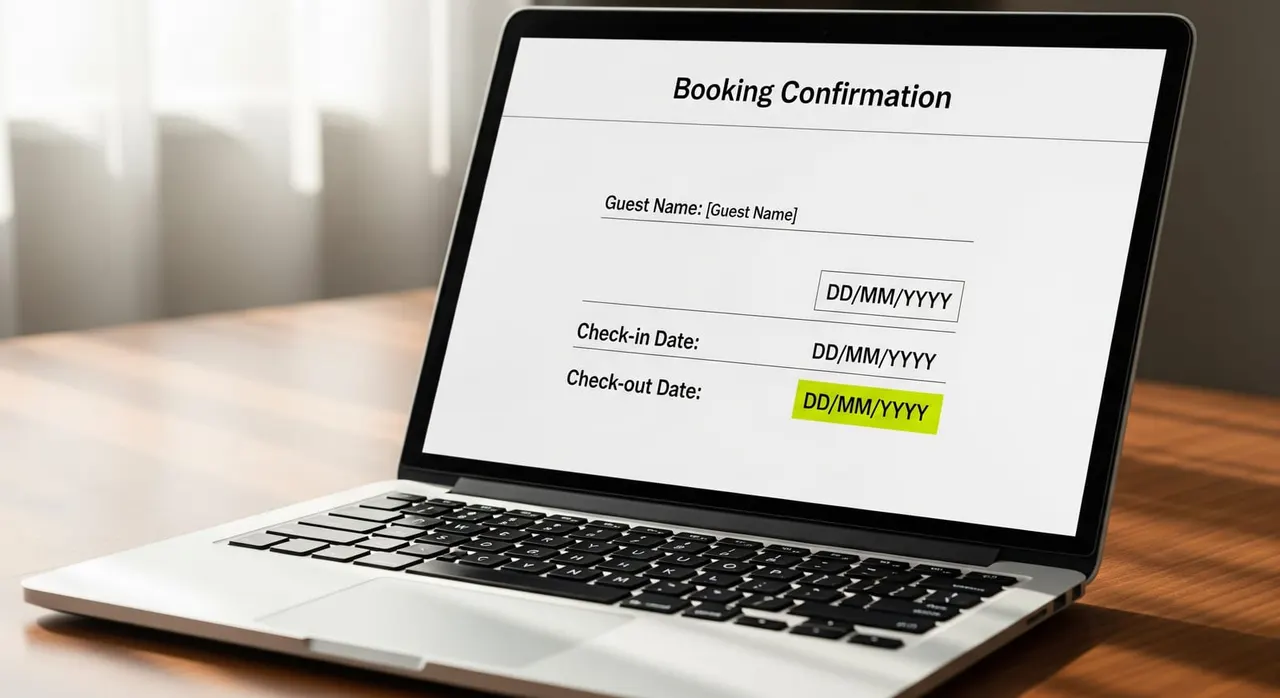
Read the embassy email carefully and pick ONE of the four proof types: a hotel booking, a rental agreement, a house registration (Blue book), or a title deed. You do not need all of them. If using a hotel booking, download the confirmation directly from the hotel or booking platform and confirm it shows three things: your full guest name (matching your passport), the check-in date, and the check-out date. A screenshot or reservation number alone is not enough. If using a rental or lease agreement, make sure it names you as the tenant, includes the full Thai property address and lease term, and is signed by both parties. Keep the landlord’s contact details consistent with any other part of your file. If staying with a host, obtain the owner’s house registration (Blue book / Tabien Baan) or title deed (Chanote) for that address. Since your name is not on the document itself, add a short, signed invitation letter from the host plus a clear copy of the host’s Thai ID card, so the officer can easily connect you to the named address. Make sure every document is in Thai or English. If your booking, lease or host document is in another language, attach a certified, legalized translation — do-it-yourself or machine translations are not accepted. Double-check that the accommodation dates, the address, and your name are internally consistent with your flight itinerary, e-Visa form, and any other documents you’ve already submitted. A simple date mismatch can trigger another request. Save your chosen proof — including any supporting host documents — as ONE clean, legible PDF. Name the file clearly, then upload it or reply through the exact same channel the embassy used to contact you. Submit only the accommodation proof; do not add bank statements, employment letters, or other unrequested extras.
Common mistakes that cause rejection
Assuming you must pre-pay a hotel for the entire DTV stay; one genuine, verifiable booking or document covering your stated period is what the request asks for. Uploading a hotel confirmation that hides the guest name or check-out date — common with airline bundles or pending reservations — which fails the explicit requirement. Submitting a host’s Blue book or title deed but forgetting the linking documents: the host invitation letter and host Thai ID copy, leaving the officer unable to tie you to the address. Letting the accommodation address or dates contradict your flight itinerary or the address you entered in the e-Visa form, creating an inconsistency that invites another Request for Further Document. Replying with a non-English or non-Thai lease or house document without a certified legalized translation, or using an online auto-translation. Over-sending: bundling unrequested financial or employment documents with the accommodation reply, against the rule to submit only what was asked.
Frequently asked questions
Do I have to book a hotel for the whole length of my DTV stay?
My hotel confirmation doesn’t show my name clearly — is that a problem?
I’m staying with a Thai friend who owns the place — what do I send?
My lease or host document is not in English or Thai. Does it count?
Can I use a refundable booking and cancel it later?
Should I also send my flight ticket and bank statement when they ask for accommodation?
Get this document right the first time
Let our team prepare and check your response to the embassy — apply from $139, with a 100% refund if denied (with the optional Denial Protection add-on).