Skip to content
Thai Embassy Document Request · Rule

Never Submit Unrequested Information (DTV)

When the Thai embassy requests additional DTV documents, never send extra files. Learn why 'dtv do not send extra documents' is crucial—avoid rejection.
DTVDTVThaiVisa 11 min read

If you’ve received a ‘Request for Further Document’ email for your Destination Thailand Visa (DTV) application, stay calm. The embassy is asking you to supply specific documents—nothing more. The biggest mistake applicants make is sending extra information ‘just in case.’ This page explains exactly why you must never submit unrequested documents and how to respond with only what’s needed, protecting your application from unnecessary rejection.

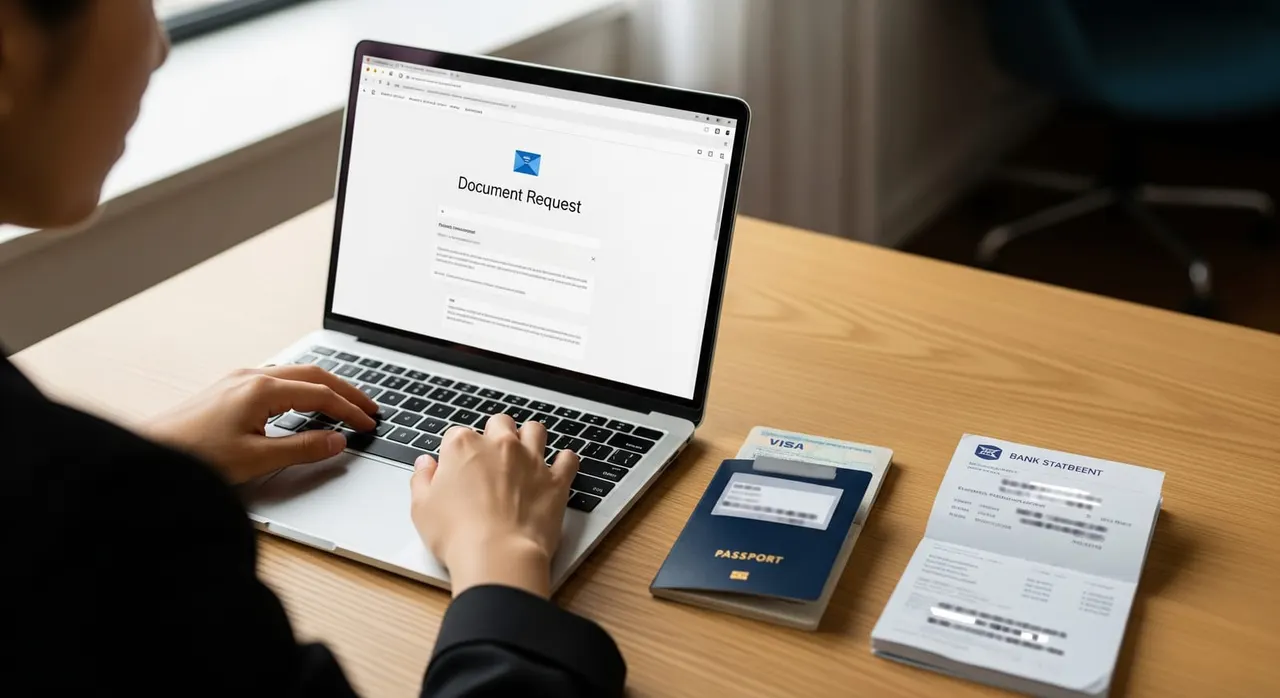
A person at a desk viewing a document request email on a laptop, with a passport and a single bank statement ready, illustrating selective response.

What the embassy asked

You received an official email with the subject line ‘Request for Further Document’. It may start with a line like this:

“the Royal Thai Embassy/ The Royal Thai Consulate-General would like to request for additional documents as follows:”

Why the embassy asks for this

Royal Thai Embassies and Consulates-General use a strict document review process for DTV applications. When they ask for further documents, it means they need to verify a specific point. Their officers are trained to examine only the documents requested. Adding unrequested material can introduce new questions, create inconsistencies with your original file, or signal that your original documents are insufficient. In the worst case, it triggers an outright rejection—even if those extra documents were perfectly valid. The rule is simple: answer only the question asked.

How to provide it correctly

  1. Read the entire email carefully and note each numbered or bulleted item — these are the exact documents requested.
  2. For each item, gather only the document explicitly named — do not interpret ‘bank statement’ as an invitation to also send tax returns, investment statements, or payslips.
  3. Do not attach cover letters, explanatory notes, or personal emails unless the request specifically asks for them.
  4. If the request says ‘provide a bank statement showing 500,000 THB (~$15,000)’, submit a single bank statement meeting that threshold — not multiple accounts or supporting letters.
  5. Ensure documents are in the language and format requested (e.g., if ‘English translation’ is required, provide a certified translation alongside the original if specified).
  6. Name your files clearly and simply to match the request (e.g., ‘Bank_Statement_6_Months.pdf’, ‘Passport_Full_Copy.pdf’). Do not bundle multiple documents into one file unless instructed.
  7. If any request is ambiguous, email the embassy for clarification before submitting. Guessing and sending multiple versions is riskier than a brief delay.
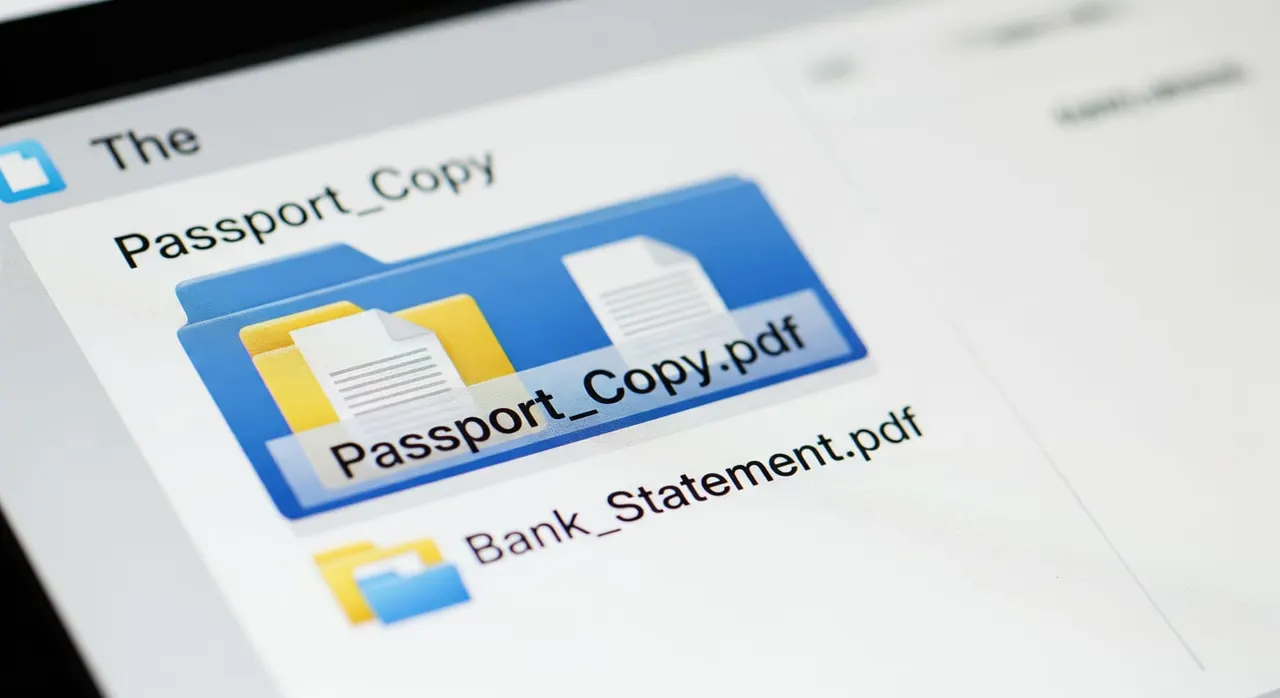
A neatly organized computer folder showing files labelled Passport_Copy.pdf, Bank_Statement.pdf and no extra files.

Common mistakes that cause rejection

  • Sending salary slips or tax returns when only a bank statement was requested.
  • Attaching a personal explanation email or cover letter.
  • Submitting documents in the original language without the requested English translation.
  • Bundling multiple documents into one PDF when separate files were expected.
  • Providing a partial or edited document instead of the full, unmodified version.
  • Including a sponsor’s letter or additional proofs when the request asked only for your personal documents.
  • Following generic checklists from forums instead of reading your specific embassy request carefully.

Myth

Sending extra documents shows you're prepared and helps your case.

Fact

Embassy officers only want exactly what they ask for. Extra documents can introduce doubts or conflicts, causing delays or rejection.

Frequently asked questions

The request says ‘provide bank statement’. Should I also send my salary slips and tax returns to strengthen my case?

No. Submit only the bank statement asked for. Additional documents can trigger new questions or suggest the original statement was insufficient, and may slow processing or cause rejection.

Can I include a short explanation letter with my documents to clarify why I’m submitting them?

No, unless the request explicitly asks for one. Unrequested explanations are often treated as red flags and can introduce inconsistencies with your original application.

The request is unclear — should I submit multiple documents to cover all possibilities?

No. Contact the embassy to clarify what they need. Submitting multiple versions wastes time and can be interpreted as uncertainty about your documentation.

I have better/updated evidence than what was originally submitted — can I volunteer that with my response?

No, not unless the request specifically asks for updated information. Respond only to the request; the officer has your original file.

What if the request is ambiguous?

Email the consulate and ask for clarification before submitting. It is better to delay by a day for a clear answer than to submit and trigger a rejection.

Should I label or organize my files in a special way when uploading?

Use clear, simple filenames that match the request (e.g., ‘Passport_Full_Copy.pdf’, ‘Bank_Statement_6_Months.pdf’). Do not include personal notes, commentary, or a cover letter unless asked.

If I made a mistake in my original application, can I fix it when responding to a document request?

Only if the request explicitly mentions that item. Otherwise, do not volunteer corrections — the embassy will flag them if they matter.

Get this document right the first time

Let our team prepare and check your response to the embassy — apply from $139, with a 100% refund if denied (with the optional Denial Protection add-on).

Start your application

General guidance only — not legal advice. Thai embassy requirements vary by office and change over time; always confirm the exact wording in your own request email, or let our team check it for you.

Related document requests