



DTV Document Translation & Legalization (Thai or English Only)
Need DTV document translation? Learn how certified English/Thai translation and legalisation work, and avoid visa rejection with our expert guide for the Thai embassy.
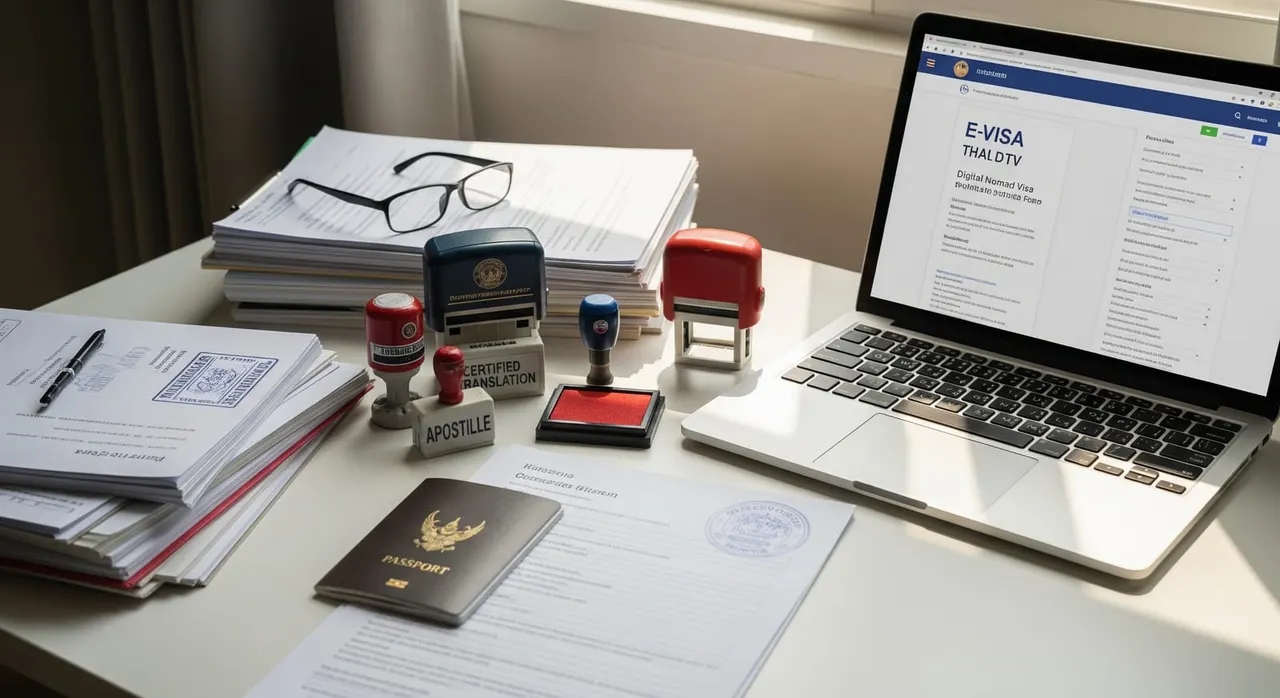
What the embassy asked
“A English translation of your original marriage certificate and it must be certified or legalised by the relevant embassies in London please.”
Why the embassy asks for this
How to provide it correctly
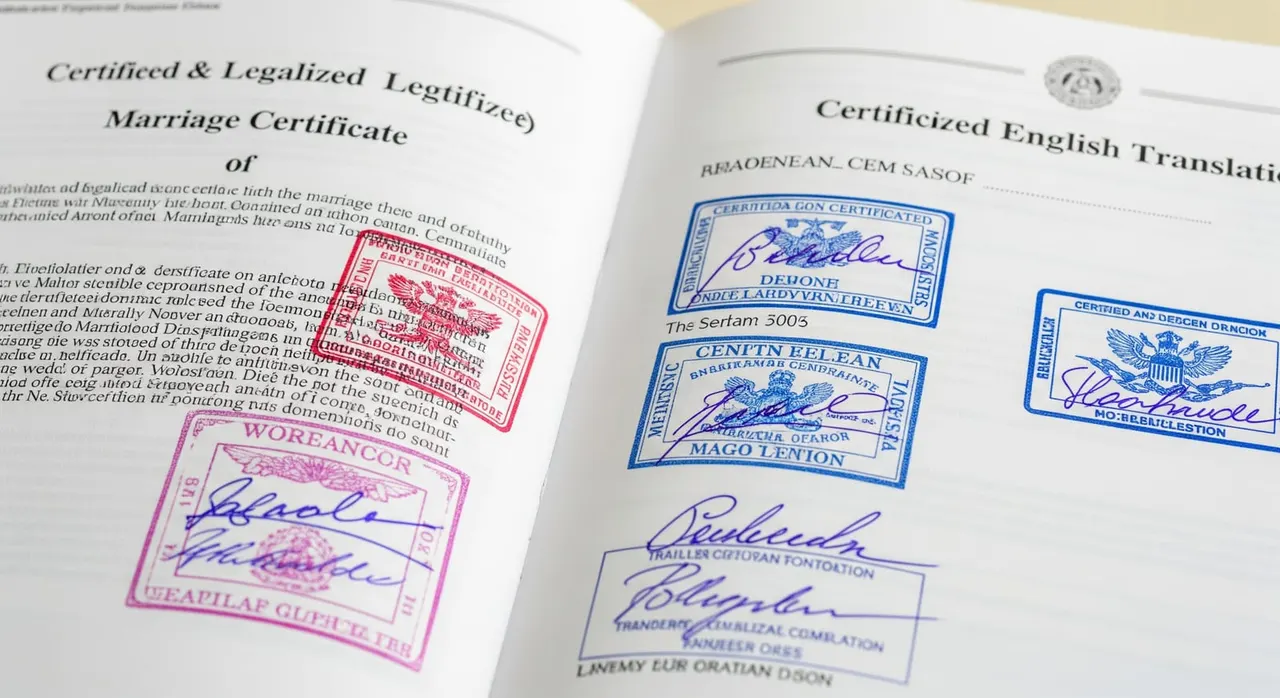
Identify every supporting document in your application that is NOT already in Thai or English. Obtain a professional, certified English translation from a qualified human translator—full, word‑for‑word, not a summary. Have the translation certified with a signed statement (e.g., "I certify that this is a true and accurate translation") by the translator or their professional body. Submit the certified translation to the relevant authority for legalisation/authentication—the Royal Thai Embassy in your jurisdiction or the competent government office (e.g., Chinese MFA for mainland China). Upload both the original document and the legalised English translation together to the Thai e‑visa portal in the requested file format (usually PDF). If applying from China, use the dual‑authentication process (双认证): notarise by a Chinese notary public, then authenticate by the local Chinese MFA office. Never submit the translation alone; always include clear copies of the original and the certified + legalised translation.
Common mistakes that cause rejection
Assuming a certified translation alone is enough—both certification and legalisation are required. Using a machine translation (Google Translate, ChatGPT, DeepL) instead of a professional human translator. Submitting only the translation without the original document for verification. Legalising at the wrong authority (e.g., trying to legalise a UK document at the Thai Embassy in Beijing). Translating into the wrong language; default to English unless the request specifically asks for Thai. Confusing notarisation or apostille with Hague‑compliant legalisation—they are not the same. Delaying translation and legalisation until after receiving the request, leading to missed deadlines.
Frequently asked questions
What is the difference between certification and legalisation?
Can I use Google Translate or another AI tool to translate my documents?
My marriage certificate is in French. Do I need to translate it to English or Thai?
I’m applying from the UK. Which embassy legalises my translated documents?
I’m in mainland China. How do I get my documents legalised?
Is notarisation the same as legalisation for the Thai embassy?
Can I submit the original document in my home language without a translation?

Get this document right the first time
Let our team prepare and check your response to the embassy — apply from $139, with a 100% refund if denied (with the optional Denial Protection add-on).