


CV, Portfolio & Work Samples for the DTV
Submit your DTV portfolio, work samples and CV correctly as a freelancer. Step-by-step guide to what the embassy really wants, with examples, so you avoid rejection.

What the embassy asked
“Please provide details about your current work, including (1) your CV or portfolio, and (2) examples of your work, along with any supporting materials that demonstrate your experience and qualifications, etc.”
Why the embassy asks for this
How to provide it correctly
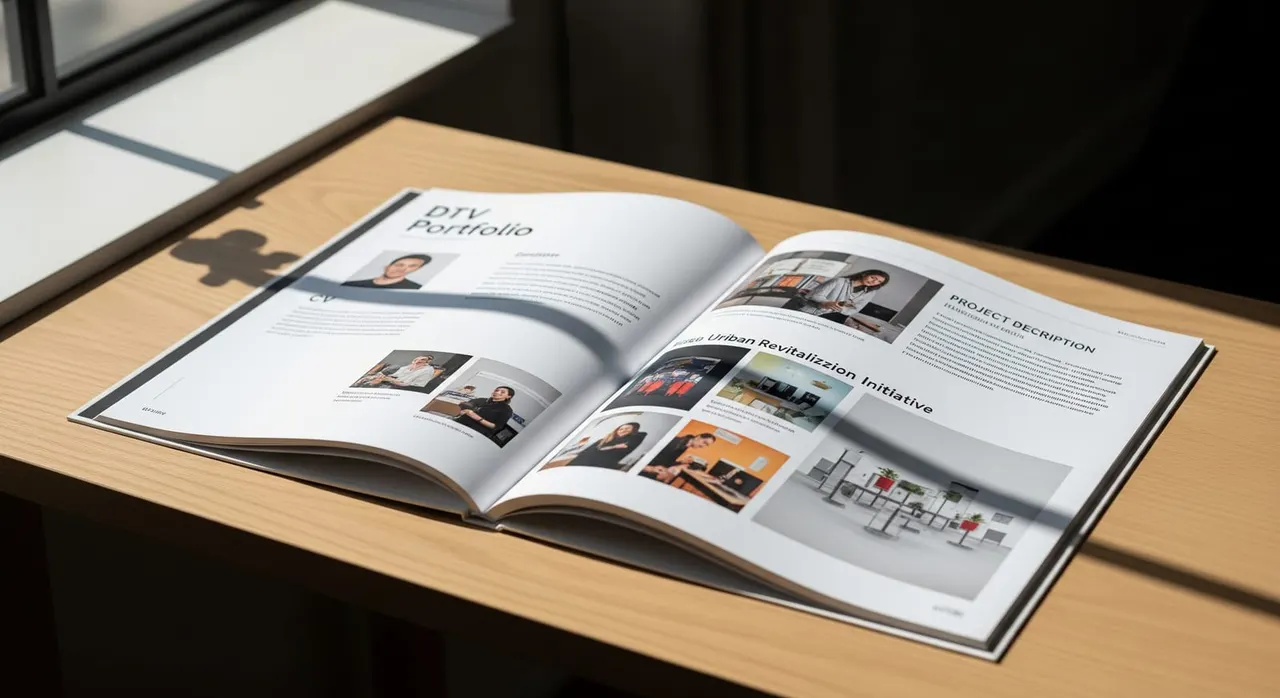
Re-read the exact email: it asks for (1) your CV or portfolio, (2) examples of your work with supporting materials, and often a short description of one previous project. Answer only what is requested; do not add unasked documents. Prepare a 1–2 page CV/resume in English (or Thai) as a PDF: include your full name matching passport, current freelance role, years of experience, key skills, main clients, and a note that your income is foreign-sourced. Assemble a portfolio PDF or a single clean link showing 2–4 real, verifiable work samples, your professional website, and named profiles (LinkedIn, Upwork, GitHub, Behance, etc.) so an officer can verify your identity and activity. Add 2–4 concrete work deliverables tied to specific clients/projects: e.g. a delivered report, published article, app screen, design file, or signed scope of work — each clearly linked to a client so the officer can match them. Write the short project description they requested: 1–2 paragraphs naming the client (or anonymising if NDA), the problem, what you delivered, the timeframe, and confirming it was paid, foreign-source, remote work. Cross-check consistency: the clients, dates, job title and income in your CV/portfolio must match your contracts, invoices and bank statement showing 500,000 THB (~$15,000). Any mismatch triggers re-review. Ensure everything is in English or Thai; any other-language certificate, contract or sample needs a certified translation that is then legalized. Combine into clearly named PDFs (e.g. 'CV.pdf', 'Portfolio.pdf', 'Project-Example.pdf'). Upload via the same Thai e-Visa portal or reply to the embassy's request email by the stated deadline, attaching only the requested files. Keep the original application unchanged.
Common mistakes that cause rejection
Sending a CV only, ignoring the request for work samples and project description. A portfolio with no verifiable owner — no website, no named profiles, clients unidentifiable. Failing to write the short project narrative explicitly asked for. Over-submitting: padding with tax returns, full bank history, unrequested letters. Inconsistent details across documents: different job title, client names, or dates. Submitting samples in a non-English/Thai language without certified + legalized translation.
Frequently asked questions
What’s the difference between the CV and the portfolio the embassy wants?
I’m under an NDA — can I still show work samples?
How many clients or samples should my portfolio show?
Does my portfolio need to be in Thai?
My portfolio is just a link — is that enough?
I was already rejected once — will a stronger portfolio help?
Can I include client testimonials or contracts as part of my portfolio?
Get this document right the first time
Let our team prepare and check your response to the embassy — apply from $139, with a 100% refund if denied (with the optional Denial Protection add-on).