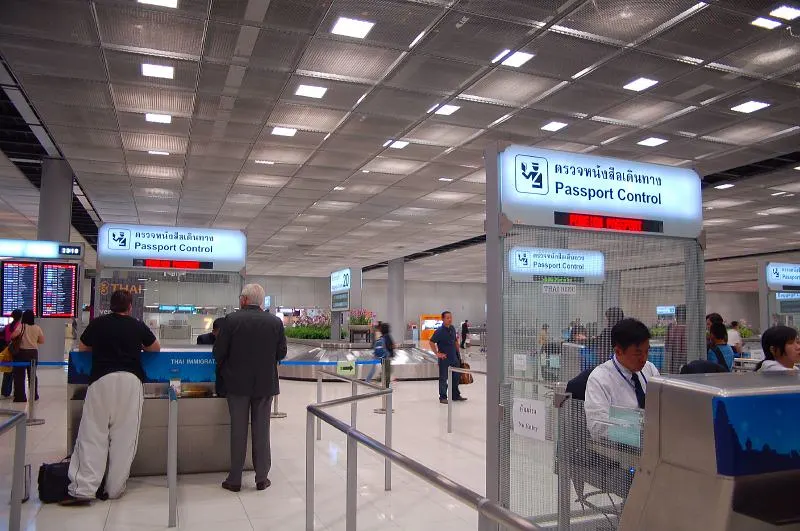
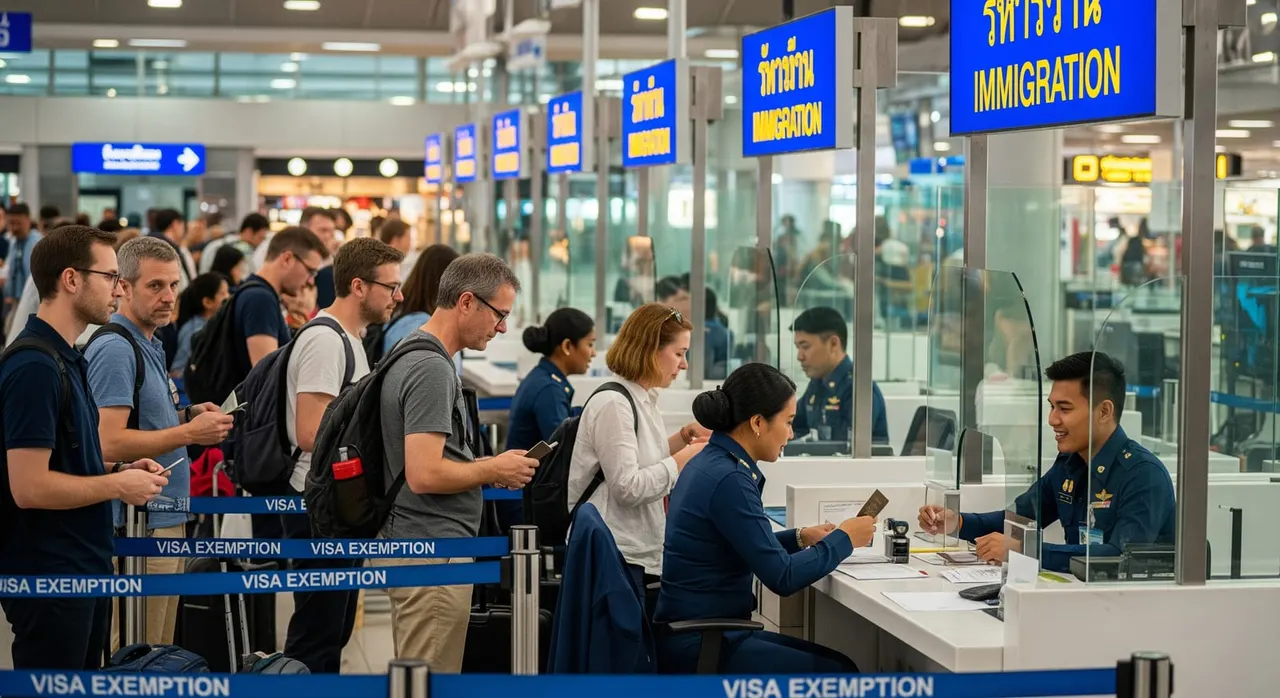
For years, Thailand's generous visa-free entry has been a cornerstone of its appeal — letting tourists from dozens of countries enjoy up to two months in the Kingdom without ever applying for a visa. That window is now set to shrink. Thailand plans to cut the maximum visa-free stay from 60 days to 30 days in an effort to curb illegal business activity, a change that could reshape how long-term travelers and digital nomads plan their time in the country. Here's what is changing, why it's happening, and how the 5-year Destination Thailand Visa (DTV) offers a stable, legal way to stay much longer.
Thailand is planning to reduce the maximum length of visa-free stays for foreign tourists from 60 days to 30 days in a bid to tackle illegal business activities, according to Tourism and Sports Minister Sorawong Thienthong. The move, which has received preliminary approval from several ministries, is likely to affect passport holders from 93 countries who currently enjoy the privilege of staying in Thailand for up to two months without a visa.
The 60-day visa exemption was a relatively recent expansion, introduced to give Thailand's post-pandemic tourism recovery a boost. Rolling it back to 30 days would return the visa-free window closer to its longstanding norm — while still keeping casual tourism easy for short-trip visitors.
According to Bloomberg, the decision comes in response to concerns raised by the Association of Thai Travel Agents about the growing number of foreigners engaging in unauthorized work and business activities. Additionally, the Thai Hotels Association has pointed to the extended visa-free period as a contributing factor to the rise in illegal condominium rentals to foreign tourists, as reported by the Bangkok Post. These issues have prompted the government to take action by shortening the visa-free stay duration.
Tourism is a vital pillar of Thailand's economy, which ranks as the second-largest in Southeast Asia. The government has set an ambitious target to draw more than 40 million foreign visitors in 2024, aiming to exceed the record high achieved in 2019. As of March 9, Thailand has already seen 7.66 million international arrivals, reflecting a 4.4% increase compared to the same period last year.
This is the balancing act facing policymakers: keep the doors open wide enough to hit ambitious arrival targets, while closing the loopholes that allow a minority of visitors to abuse the system. Shortening the visa-free window is an attempt to protect tourism's reputation without deterring genuine short-stay holidaymakers.
The new regulation is likely to affect long-term travelers and digital nomads, who frequently rely on visa-free stays to work remotely in Thailand. Additionally, businesses that cater to long-term visitors, such as co-working spaces, rental services, and other related industries, may see shifts in their customer base and demand patterns as a result of the policy change.
Authorities are anticipated to soon announce the implementation date of the revised visa-free stay policy, along with additional details regarding potential exemptions or transitional measures for impacted travelers. These measures could provide clarity and support for those adjusting to the new regulations. Until then, anyone planning an extended stay should think carefully about a visa that does not hinge on the exemption scheme at all.
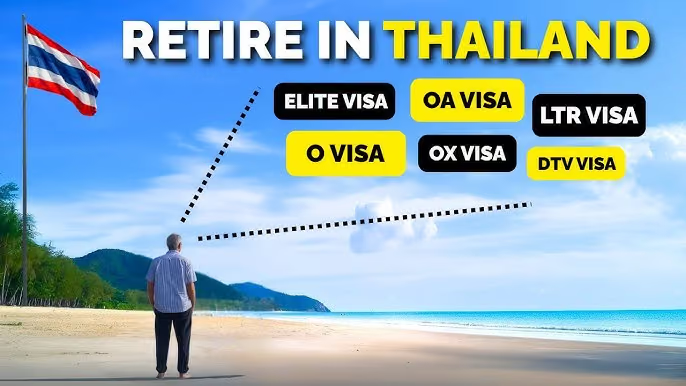
If you want to spend serious time in Thailand, the Destination Thailand Visa (DTV) is the answer to a shrinking visa-free window. Rather than juggling 30-day entries, the DTV gives long-stay flexibility over a five-year period and is purpose-built for remote workers, freelancers, digital nomads, and those pursuing soft-power activities such as Thai cooking and Muay Thai. It lets you stay legally and confidently, without depending on a policy that can change at any moment.
We can help you secure your 5-year DTV with a full-service application and expert support. We even provide a refund for denied applications. You can reach our team on WhatsApp at +66 80 705 1664 or by e-mail at [email protected] . Ready to begin? Book a remote work or soft-power package now to apply for your DTV at /buy-dtv-visa-package/ .




 DTV Thailand Visa
 DTV Thailand Visa
 DTV Thailand Visa