The Destination Thailand Visa (DTV) has become a highly sought-after route for travellers who want to do more than simply pass through Thailand — they want to live inside its culture for a while. Among the many activities that qualify an applicant for this visa, Thai cooking courses stand out as one of the most enjoyable and accessible. By enrolling in an accredited course, you can learn the secrets behind Thailand’s world-famous cuisine and build the supporting documentation you need for your DTV application.
In this guide we dive deep into how cooking courses tie into the DTV process, the benefits of learning to cook in Thailand, how to pick the right school, and the exact documents that turn a class booking into a successful visa file. Whether you are a curious traveller, a serious food enthusiast, or a culture seeker planning a long stay, this is your complete roadmap.
The Destination Thailand Visa is a multiple-entry visa valid for five years . It allows travellers to stay in Thailand for up to 180 days per entry , making it ideal for individuals seeking extended stays for leisure, remote work, or cultural activities. Cooking courses fall squarely under the umbrella of cultural-engagement (or “soft power”) activities, which is exactly what the visa was designed to encourage — so a culinary programme is a perfectly legitimate reason to apply.
Crucially, the DTV is not a tourist visa stretched thin. It is a purpose-built long-stay category, which means it rewards applicants who can show a genuine activity tying them to Thailand. A cooking course does precisely that: it gives your application a clear, documentable story.
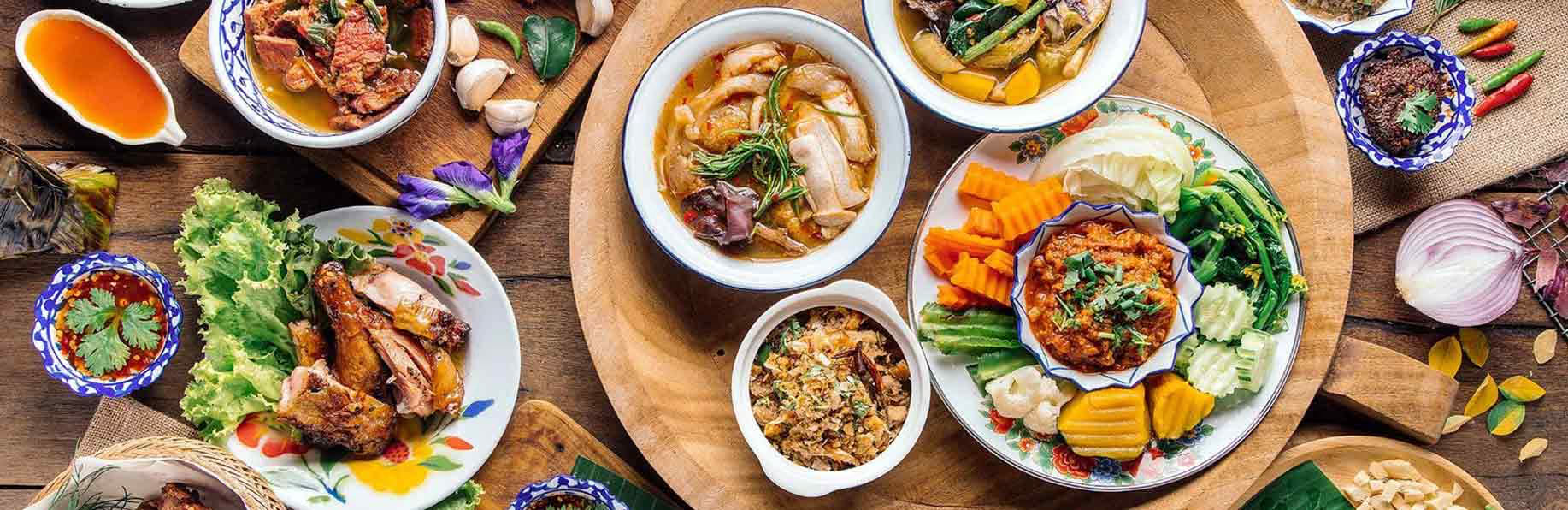
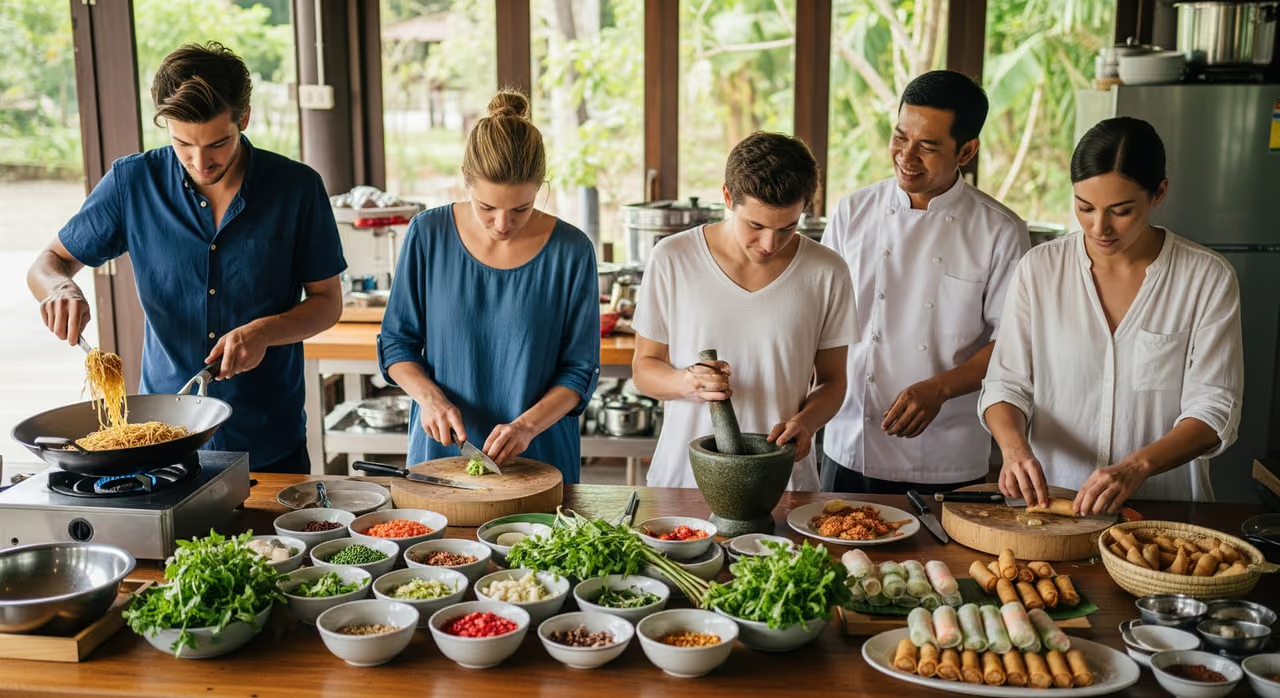
Thai cuisine is renowned worldwide for its vibrant flavours, aromatic spices, and unique balance of sweet, sour, salty, and spicy tastes. By enrolling in a cooking course you gain hands-on experience crafting iconic dishes like Pad Thai , Tom Yum Goong , and Green Curry. But the benefits go far beyond learning to cook — and several of them strengthen your visa case at the same time.
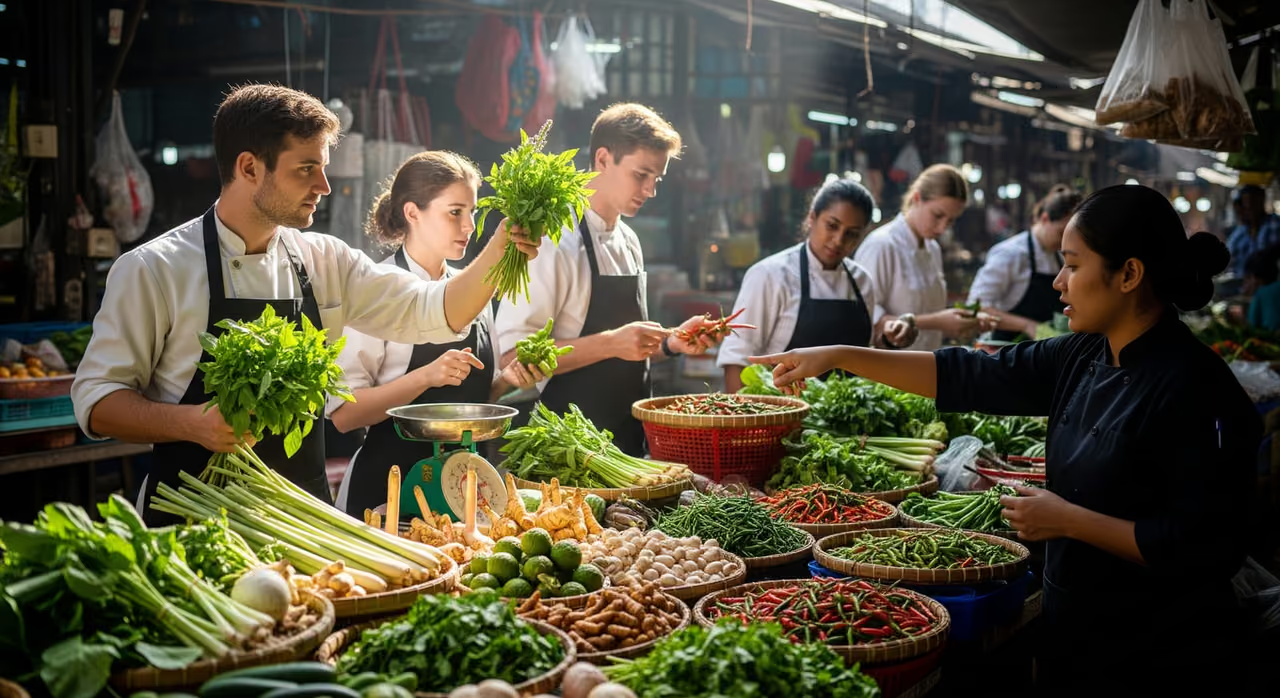
Thai cooking courses often include trips to local markets, where you’ll learn about traditional ingredients, interact with vendors, and understand the importance of fresh produce in Thai cuisine. This immersive experience connects you deeply with Thai culture — and is exactly the kind of authentic engagement the DTV was created to welcome.
Whether you’re a complete beginner or a seasoned home cook, Thai cooking classes offer something for everyone. You’ll master new techniques, learn about the health benefits of various ingredients, and take home recipes to impress friends and family for years to come.
Cooking courses attract people from around the globe. These classes provide a fantastic opportunity to meet others who share your passion for food and travel, creating friendships that often outlast the trip itself.
Participating in a Thai cooking course qualifies as a cultural activity under the DTV programme. By enrolling in an accredited course and obtaining a confirmation letter from the cooking school, you fulfil one of the essential supporting requirements for the visa.
Thailand offers a wide range of cooking schools, from basic one-day classes to intensive multi-week programmes. For visa purposes, longer and accredited programmes tend to carry more weight. Here’s how to choose the right one for both your palate and your application:
Major cities like Bangkok, Chiang Mai, and Phuket are home to many renowned cooking schools. Each region offers unique specialities — the herb-forward dishes of the north differ from the seafood-rich coastal south — so consider which style of cuisine you most want to learn.
Ensure the cooking school is accredited and recognised by Thai authorities. This is the single most important factor for your DTV application, because you’ll need an official confirmation letter from the school that an embassy will accept.
Look for courses that align with your interests. Some focus on traditional Thai dishes, while others explore modern interpretations or dedicated vegan and vegetarian menus. A clearly structured curriculum also reads better on a visa application.
Research online reviews and seek recommendations from fellow travellers or cooking enthusiasts. A reputable school will have consistent positive feedback and a strong online presence — both signals of an established, documentable business.
Some schools offer added perks like market tours, ingredient-sourcing tips, and take-home recipe books. These extras enhance your overall experience and reinforce the cultural-immersion story behind your visa.
Securing a DTV with a cooking course involves several clear steps. Follow them in order and your application will come together as one coherent file.
Choose an accredited Thai cooking school and enrol in a course that suits your schedule and interests. Ensure the school can provide an official confirmation letter stating your participation — this is the document that links your activity to your visa.
Prepare all necessary documents for your DTV application, including the following:
Submit your application through a Thai Embassy, Consulate, or the official e-visa platform. Include all required documents and pay the application fee. Double-check that names and dates match across every document.
Once your application is submitted, wait for approval. Processing times vary by location and season, so apply well in advance of your planned travel dates to avoid disappointment.
After receiving your visa, travel to Thailand and immerse yourself in the cooking course. Keep your confirmation letter and enrolment records handy, and follow all visa regulations throughout your stay.
Cooking courses offer a unique blend of education and entertainment, making them an excellent choice for long-term travellers. Beyond the visa itself, here are some of the lasting rewards:
Compared with many other qualifying activities, cooking courses are often affordable and provide a high return on investment in terms of cultural knowledge and practical skills you’ll use for life.
For food entrepreneurs or culinary professionals, Thai cooking courses can serve as inspiration for new menu items, a supper-club concept, or an entirely new business idea back home.
The skills and memories you gain from a Thai cooking course will last a lifetime, enriching your travel experience and your personal growth long after you’ve left the kitchen.
Navigating the DTV application process can feel overwhelming, but our team is here to make it seamless. Here’s how we support culinary applicants from start to finish:
We’ll assess your eligibility and guide you through the specific requirements for using a cooking course as your reason for applying.
We work with a network of accredited cooking schools across Thailand and can recommend the best options based on your preferences, location, and timeline.
Our team will help you gather and organise all necessary documents, ensuring your application is complete, consistent, and error-free.
We’ll handle the submission process on your behalf, saving you time and reducing the risk of avoidable mistakes.
Once you arrive in Thailand, we can assist with transportation, accommodation, and settling into your cooking course so you can focus on the food.
Participating in a Thai cooking course is not only a delightful way to explore the country’s culinary heritage but also a practical, well-recognised step toward securing a Destination Thailand Visa. Whether you’re a food lover, a cultural enthusiast, or someone looking for a unique long-term travel experience, cooking courses offer a perfect blend of learning and leisure.
Let us help you embark on this exciting journey. Reach out to our team today to start your DTV application and discover the flavours of Thailand like never before.



 DTV Visa Consulting
 DTV Visa Consulting
 DTV Visa Consulting