Skip to content
DTV Visa Consulting

The Destination Thailand Visa (DTV) for Remote Workers: Your Ultimate Guide to Living and Working in Paradise
DTV DTVThaiVisa December 28, 2024 Updated June 4, 2026 6 min read
The Destination Thailand Visa (DTV) for Remote Workers: Your Ultimate Guide to Living and Working in Paradise

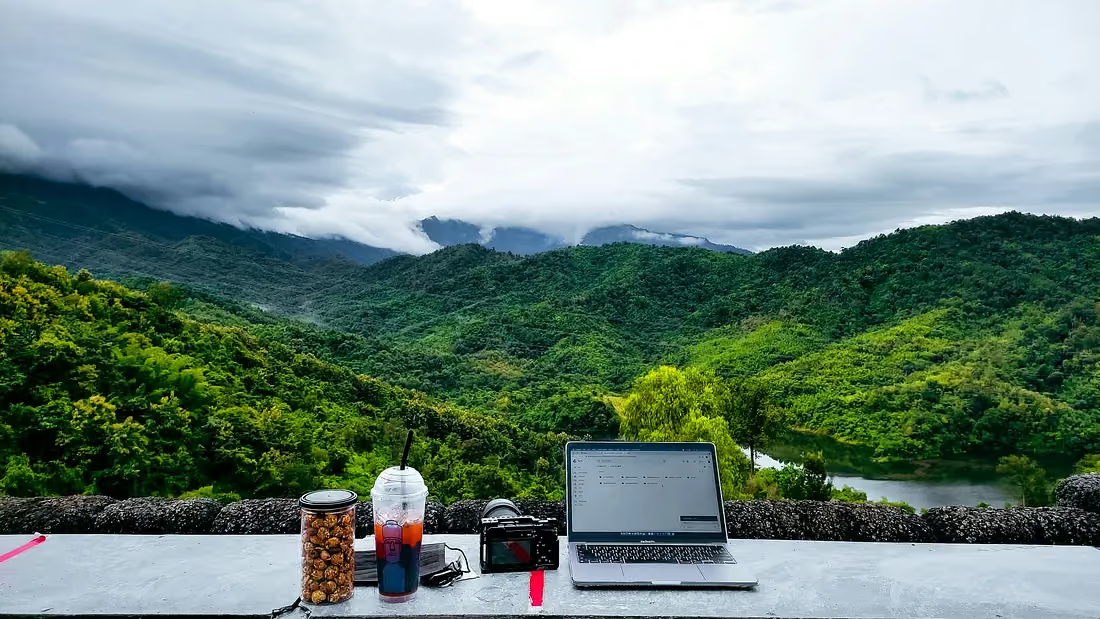
In recent years, remote work has transformed the way we live and work, offering unparalleled flexibility and freedom. For many, this shift has opened the door to a new lifestyle—one where work and travel coexist seamlessly. Thailand, with its stunning landscapes, vibrant culture, and affordable cost of living, has emerged as a top destination for remote workers, digital nomads, and freelancers. To cater to this growing demand, the Thai government introduced the Destination Thailand Visa (DTV) , a long-term visa designed specifically for remote workers and digital nomads. In this comprehensive guide, we’ll dive deep into the DTV Visa for remote workers, covering everything from eligibility and requirements to the benefits of remote work in Thailand.

What is the DTV Visa for Remote Workers?

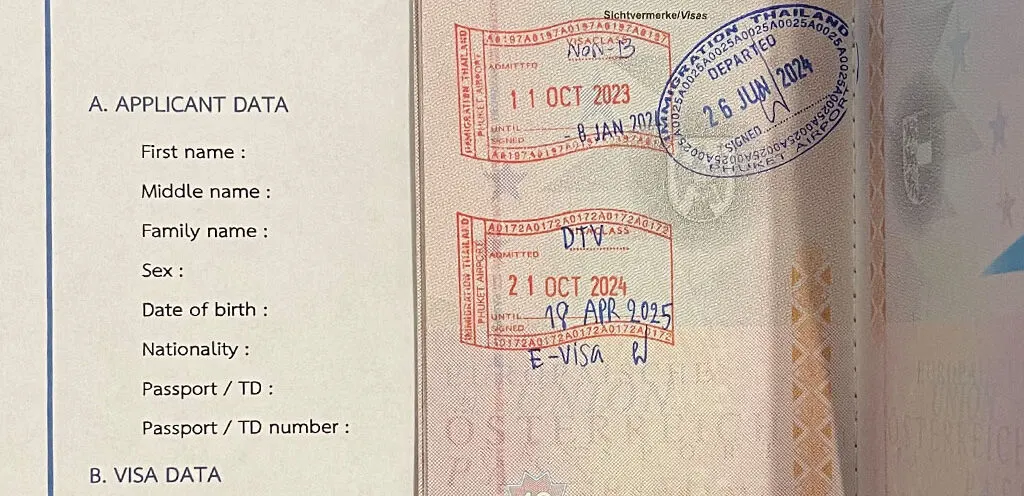
The Destination Thailand Visa (DTV) is a 5-year, multiple-entry visa that allows remote workers to stay in Thailand for up to 180 days per entry , with the option to extend for another 180 days . Rather than tying you to a single employer or a fixed job inside Thailand, it recognises a modern reality: that your income can come from anywhere in the world while you live somewhere you love. This visa is specifically designed for individuals who:

  • Work remotely for foreign companies.
  • Are self-employed or freelancers earning income from international clients.
  • Want to live in Thailand while continuing their remote work.

Unlike traditional work visas, the DTV Visa does not require a Thai work permit, making it a hassle-free option for remote workers. This is one of its most important distinctions: as long as your work and income originate outside Thailand, you can keep serving your clients or employer from a beach in Phuket or a café in Chiang Mai without the bureaucracy that normally accompanies working in a foreign country.

Key Benefits of the DTV Visa for Remote Workers

  1. Long-Term Stay : Stay in Thailand for up to 180 days per entry , with the option to extend for another 180 days .
  2. Multiple Entries : Re-enter Thailand as many times as needed within the 5-year validity period .
  3. No Work Permit Required : Work remotely for foreign companies without needing a Thai work permit.
  4. Affordable Cost : The government visa fee is 10,000 THB (~$340 USD) , making it a cost-effective option compared to other long-term visas.
  5. Family Inclusion : Bring your spouse and children under 20 with you.
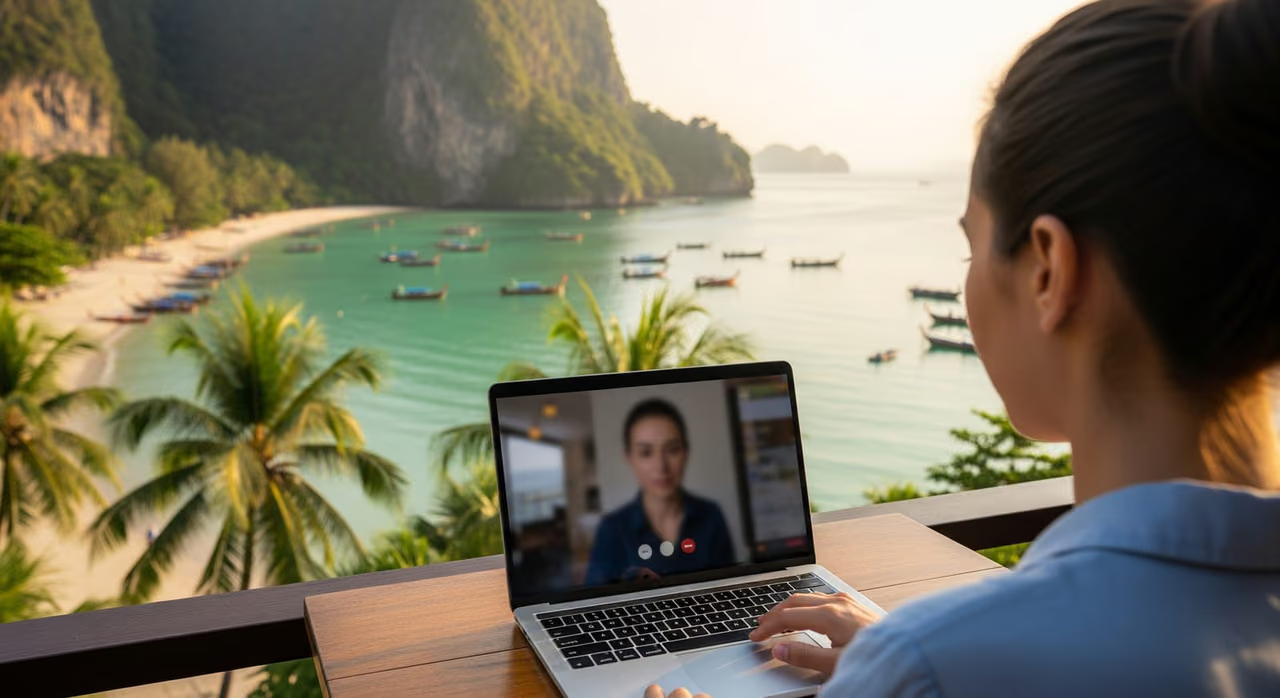
A remote worker taking a video call from a laptop overlooking a tropical Thai coastline.

DTV vs Other Thailand Visas

If you’ve looked into staying in Thailand long term, you’ve probably seen tourist visas and traditional work visas mentioned. The table below shows why the DTV stands out for remote workers and digital nomads who earn their living from abroad.

How the DTV compares for remote workers

FeatureDTV (Destination Thailand Visa)Tourist VisaTraditional Work Visa
Validity 5 years, multiple entry Short-term, limited entries Typically tied to employment term
Stay per entry Up to 180 days, extendable +180 Usually up to 60 days, short extension Linked to job and renewals
Remote work for foreign clients Designed for it Not intended for it For local employment, not remote
Thai work permit needed No No Yes
Family inclusion Spouse and children under 20 Generally individual Possible via dependents

Eligibility Requirements for Remote Workers

To qualify for the DTV Visa as a remote worker, you must meet the following criteria. The good news is that most genuine remote workers and freelancers already satisfy these without any special preparation—it’s mostly a matter of documenting what is already true.

  1. Age : Applicants must be at least 20 years old .
  2. Employment Status : You must be employed by a foreign company or work as a freelancer for international clients.
  3. Financial Stability : Proof of 500,000 THB (~$15,000 USD) in savings or income is required.
  4. Health Insurance : Not mandatory but highly recommended.

The 500,000 THB (~$15,000 USD) financial requirement can be demonstrated in several ways, so you can use whichever best reflects your situation:

  • Bank statements.
  • Payslips or employment contracts.
  • Freelancer invoices or client agreements.

Required Documents for Remote Workers

When applying for the DTV Visa, you’ll need to submit the following documents. Preparing these carefully and consistently is the single biggest factor in a smooth approval.

  1. Passport : Valid for at least 6 months with at least 2 blank pages .
  2. Passport-Sized Photo : Recent photo with a white background.
  3. Proof of Employment : For employees, an employment contract or letter from your employer confirming your remote work status; for freelancers, a portfolio, client agreements, or invoices showing consistent income.
  4. Proof of Financial Stability : Bank statements, payslips, or sponsorship letters showing 500,000 THB (~$15,000 USD) in savings or income.
  5. Accommodation Proof : Often requested by the embassy, a hotel booking or rental agreement for your stay in Thailand. We can help you with this contract for an additional fee.
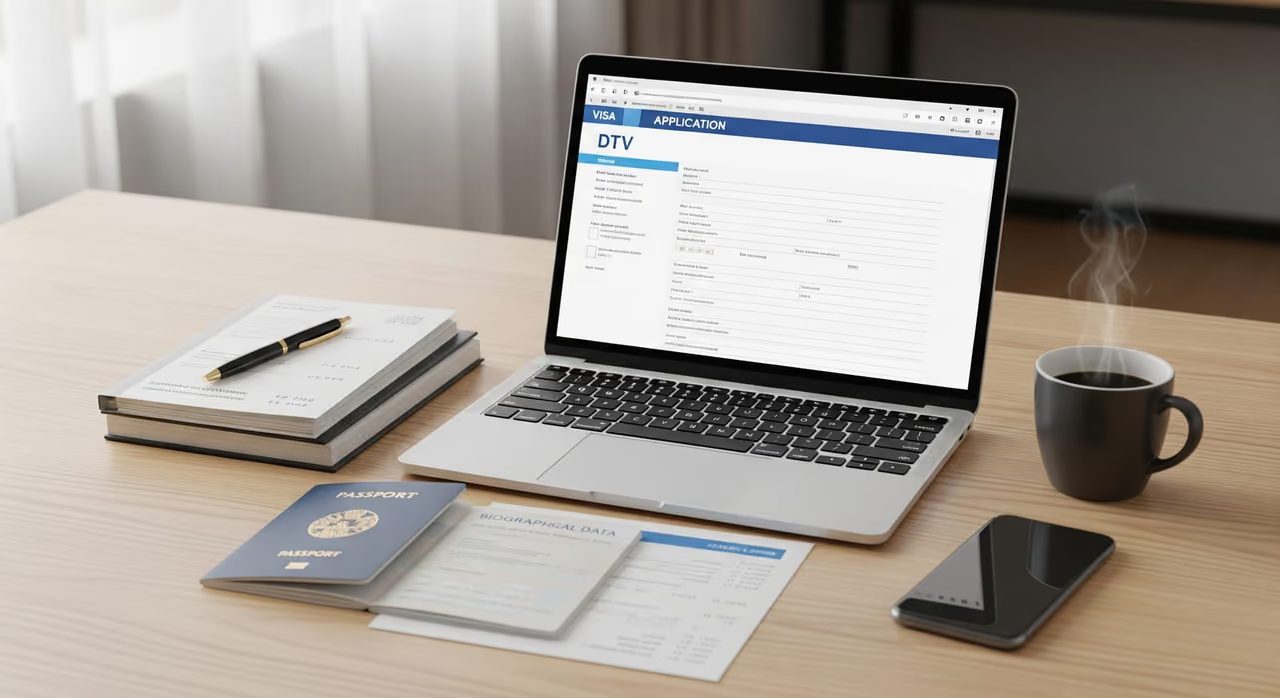
An organised desk with passport, documents and a laptop prepared for a DTV visa application.

Application Process for Remote Workers

Applying for the DTV Visa is a straightforward process. Here’s a step-by-step guide that takes you from gathering your paperwork to receiving your approval.

  1. Gather Required Documents : Ensure all documents are accurate, complete, and up-to-date.
  2. Choose Your Application Method : Apply online—contact us and we will help you prepare the embassy application—or in person by visiting our office in Pattaya, Thailand.
  3. Document Preparation : We prepare the documents and submit them to the embassy. The government fee is 10,000 THB (~$340 USD) .
  4. Submit and Await Approval : Processing typically takes 1–4 weeks . Once approved, you’ll receive your visa and can start planning your move to Thailand.

Extending Your Stay

The DTV Visa allows you to stay in Thailand for up to 180 days per entry . If you wish to extend your stay, you can apply for an additional 180 days at the local immigration office in Thailand. The extension fee is 1,900 THB (~$50 USD) . This means a single entry can become up to a full year on the ground before you need to leave and re-enter, all within the visa’s 5-year validity.

Why the DTV Visa is Perfect for Remote Workers

  1. Work-Life Balance : Enjoy Thailand’s tropical beaches, vibrant culture, and affordable cost of living while continuing your remote work.
  2. No Work Permit Hassles : Work remotely for foreign companies without needing a Thai work permit.
  3. Long-Term Flexibility : Stay in Thailand for up to 180 days per entry , with the option to extend for another 180 days .
  4. Family-Friendly : Bring your spouse and children under 20 with you.

A family enjoying life in Thailand, reflecting the DTV visa's family inclusion benefit.

Benefits of Remote Work in Thailand

Remote work offers numerous benefits, and Thailand is the perfect place to enjoy them. Here are some of the key advantages of working remotely in Thailand:

1. Explore the Country

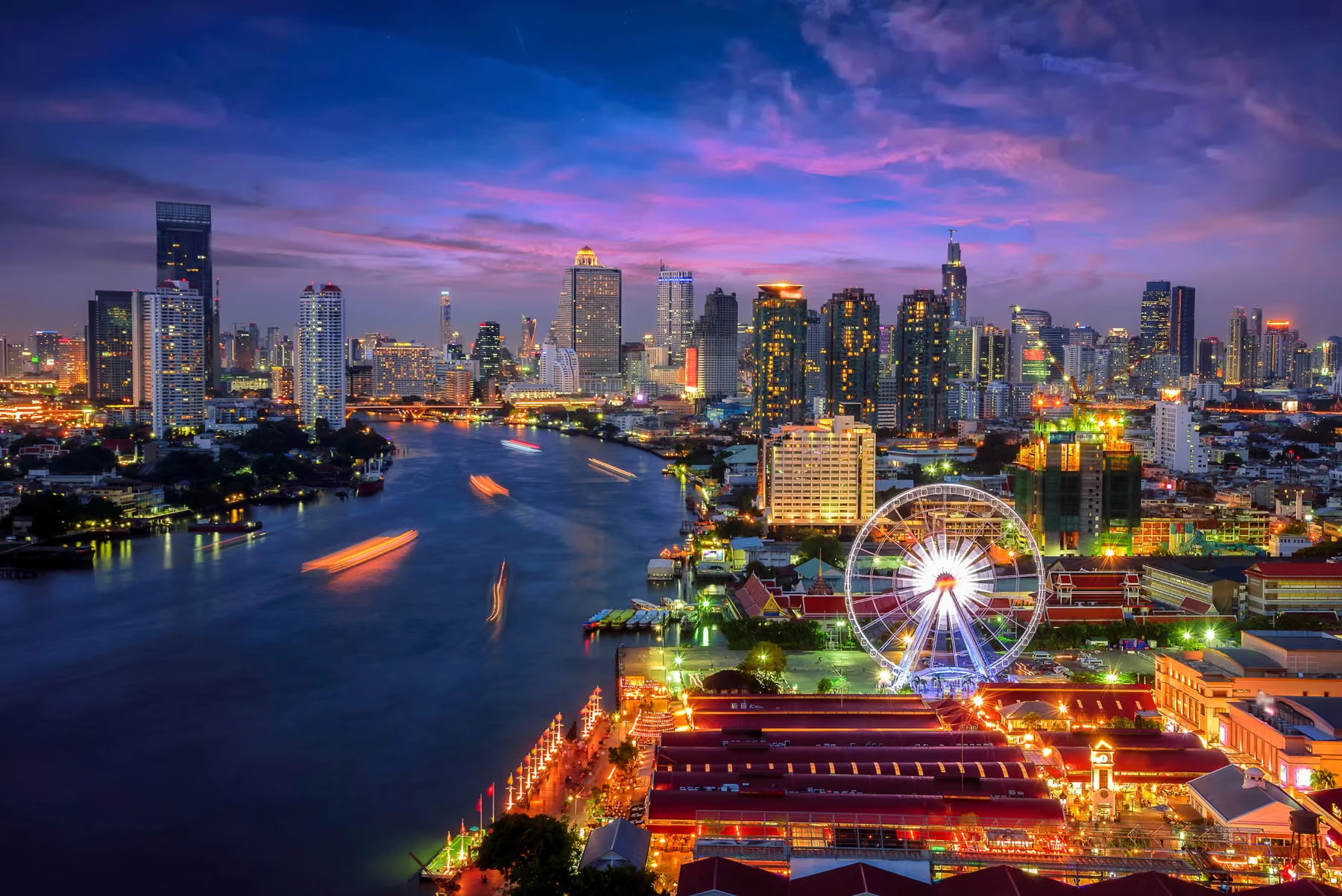
Thailand is a diverse and beautiful country with something for everyone. From the bustling streets of Bangkok to the serene beaches of Phuket and the lush mountains of Chiang Mai, there’s no shortage of places to explore. With the DTV’s multiple-entry flexibility, you can treat the whole country as your office and weekend itinerary all at once.

2. Affordable Cost of Living

Thailand is known for its affordable cost of living, making it an ideal destination for remote workers. Accommodation, food, and transportation are all reasonably priced, allowing you to enjoy a high quality of life without breaking the bank—and to stretch a foreign income considerably further than in many Western cities.

3. Vibrant Culture

Thailand’s rich culture and traditions offer endless opportunities for learning and exploration. From ancient temples and festivals to local markets and cuisine, there’s always something new to discover between work sessions.

4. Networking Opportunities

Thailand is home to a thriving community of digital nomads and remote workers. Coworking spaces, meetups, and events provide ample opportunities to network and connect with like-minded individuals, which can be invaluable for freelancers building a client base.

5. Health and Wellness

Thailand is renowned for its wellness offerings, from yoga retreats and meditation centers to world-class spas and traditional Thai massage. Working remotely in Thailand allows you to prioritize your health and well-being alongside your career.

Common DTV Myths for Remote Workers

Myth

I need a Thai work permit to work remotely on the DTV.

Fact

No. The DTV is designed so that remote work for foreign companies or international clients does not require a Thai work permit. That’s a core feature of the visa.

Myth

The DTV only lets me stay a few months at a time, so it’s not really long term.

Fact

Each entry allows up to 180 days, extendable by a further 180 days in-country, all within a 5-year multiple-entry validity. In practice, that supports a genuinely long-term lifestyle.

Myth

I have to leave my family behind to live in Thailand on the DTV.

Fact

The DTV allows family inclusion. You can bring your spouse and children under 20 with you.

Tips for a Successful Application

  1. Prepare Thoroughly : Ensure all documents are accurate and up-to-date.
  2. Apply Early : Start the process well in advance to avoid delays.
  3. Seek Professional Help : Working with a visa agency like DTVThaiVisa can significantly increase your chances of approval.

A sunset view over Chaweng beach in Thailand, a popular base for DTV remote workers.

Frequently Asked Questions

Do I need a Thai work permit to work remotely on the DTV?

No. The DTV is built for remote work performed for foreign companies or international clients, so a Thai work permit is not required for that work.

How long can I stay in Thailand on the DTV?

Each entry allows a stay of up to 180 days, with the option to extend for another 180 days at a local immigration office. The visa itself is valid for 5 years with multiple entries.

How much money do I need to show?

You must provide proof of 500,000 THB (~$15,000 USD) in savings or income, which can be shown through bank statements, payslips, employment contracts, or freelancer invoices and client agreements.

How much does the DTV cost and how long does it take?

The government visa fee is 10,000 THB (~$340 USD), and processing typically takes 1–4 weeks. The optional in-country extension carries a separate fee of 1,900 THB (~$50 USD).

Can I bring my family?

Yes. The DTV allows you to bring your spouse and children under 20 with you.

Conclusion

The Destination Thailand Visa (DTV) is a game-changer for remote workers, offering the perfect blend of work and leisure in one of the world’s most beautiful countries. With its long-term validity, multiple-entry options, and affordable cost, the DTV Visa is the ideal choice for digital nomads and freelancers looking to make Thailand their home base.

At DTVThaiVisa , we’re here to help you every step of the way. Contact us today at [email protected] or visit our website to start your journey to Thailand. Let us help you make your dream of living and working in paradise a reality!

Ready to get your 5-Year DTV?

Configure your package with live pricing — apply from $139, with a 100% refund if denied (with Denial Protection).

Start your application
Tags:#remote-work-visa-thailand#digital-nomad-visa-thailand#dtv-visa-thailand#thailand-long-term-visa#dtv-visa-application-process#dtv-visa-requirements#thailand-visa-for-freelancers#dtv-visa-costs#dtvthaivisa-services#affordable-thailand-visa

Comments

Be the first to leave a comment.